Claims Assessor Wordart Tie Dye: A Strategic Design Asset for Purpose-Driven Creators
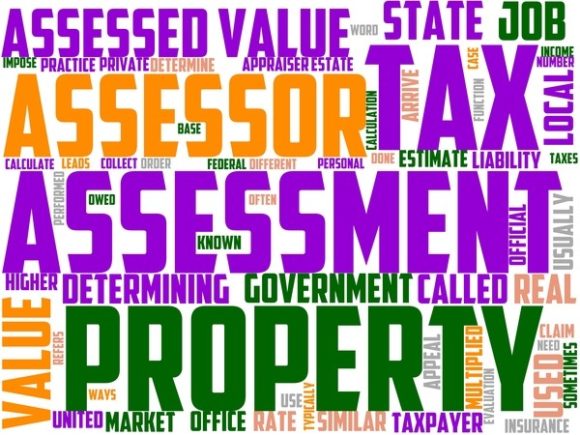
Claims Assessor Wordart Tie Dye is more than a decorative graphic—it’s a hand-drawn, colorful wordcloud built around the phrase “Claims Assessor,” rendered in vibrant, organic tie-dye textures and fluid typography. Unlike generic clipart or algorithmically generated word clouds, this design carries intentionality: it balances visual energy with semantic weight, making it uniquely suited for professionals who need to communicate authority, empathy, and precision—especially in insurance, risk management, compliance, legal support, and customer advocacy contexts.
Why This Wordart Fits Real-World Strategy—Not Just Aesthetics
When you choose Claims Assessor Wordart Tie Dye, you’re selecting a tool that bridges tone and function. Its hand-drawn quality signals approachability without sacrificing professionalism; its tie-dye palette introduces warmth and human nuance into fields often perceived as rigid or transactional. That duality matters—not as decoration, but as deliberate positioning. For example, an insurance educator building a workshop on fair claims handling might use this wordart on a slide background or participant workbook cover. The visual subtly reinforces that accuracy and compassion aren’t opposites—they’re interdependent.
Similarly, a boutique risk consultancy launching a new service line can embed Claims Assessor Wordart Tie Dye into proposal headers or client onboarding kits. It doesn’t replace clear messaging—but it primes attention, supports brand voice consistency, and differentiates from competitors relying solely on stock icons or sterile infographics.
Where It Adds Value—And Where It Doesn’t
Claims Assessor Wordart Tie Dye works best when aligned with a specific communication goal—not as filler, but as reinforcement. Consider these high-leverage uses:
- Promotional materials where clarity and memorability matter: event banners, digital ads, or printed flyers for training sessions or industry webinars.
- Educational resources, such as downloadable checklists or self-paced e-learning modules—where visual rhythm aids retention without distracting from core content.
- Branded merchandise like notebooks, tote bags, or desk accessories used internally or gifted to clients—reinforcing identity through repeated, contextual exposure.
- Print-on-demand product design, especially for niche markets: apparel for claims adjuster associations, custom mugs for internal teams, or limited-run posters for conference booths.
It’s less effective—and potentially counterproductive—when applied without context. Slapping Claims Assessor Wordart Tie Dye onto a formal regulatory submission, a legal affidavit, or a compliance audit report dilutes credibility. Likewise, overuse across every email signature, slide footer, or social post erodes its distinctiveness and weakens strategic impact. Intentionality isn’t optional—it’s operational.
How to Use It With Purpose—Not Habit
Start by asking: What outcome do I want this visual to support? If the answer is “to look nice,” pause. Reframe the question: “What idea should this reinforce? Whose attention am I trying to hold? What action do I want to follow?” That shift moves Claims Assessor Wordart Tie Dye from ornament to instrument.
For marketers launching a campaign around empathetic claims resolution, pair the wordart with concise, outcome-focused copy: “Faster decisions. Fairer outcomes. Fully supported.” Let the visual echo the message’s humanity; let the words carry the substance. For educators designing a classroom poster, anchor the wordart beside three bullet points summarizing key assessment principles—so students associate color and form with structure and standards.
Also consider scale and placement. On a business card, use a simplified version (e.g., monochrome or single-accent variant) to preserve legibility. On a large-format poster, leverage the full vibrancy—but ensure contrast remains sufficient for readability at distance. Always test print output: some tie-dye gradients lose definition in CMYK conversion or low-resolution printing.
Risks of Using Claims Assessor Wordart Tie Dye Without Clarity
The biggest risk isn’t poor execution—it’s misalignment. When used without grounding in audience insight or objective, even a beautifully crafted asset like Claims Assessor Wordart Tie Dye can signal confusion rather than confidence. A small business owner creating DIY marketing assets may assume “more color = more engagement,” only to discover their target brokers respond better to clean, data-forward visuals. Or a freelancer building a portfolio site may feature the wordart prominently—yet fail to explain how their process connects to the values implied by the design.
That disconnect creates friction. It asks viewers to infer meaning instead of offering clarity. And in professional services—where trust is earned through demonstrated competence, not just aesthetic appeal—that gap matters. Claims Assessor Wordart Tie Dye doesn’t communicate expertise on its own. It amplifies what’s already well-articulated.
Planning Tips for Long-Term Utility
Think beyond one-off application. Build Claims Assessor Wordart Tie Dye into a reusable system:
- Define your core use cases first: Which 3–5 applications will deliver measurable value (e.g., workshop handouts, client welcome kits, social media templates)? Prioritize those.
- Create variants with intention: A muted palette for formal documents; a bold version for merch; a simplified line-art version for embroidery or laser engraving. Each serves a distinct context.
- Document usage guidelines: Note recommended minimum sizes, safe margins, compatible fonts, and prohibited backgrounds. Share these with team members or contractors to maintain consistency.
- Track performance where possible: Compare engagement metrics for two versions of a flyer—one with Claims Assessor Wordart Tie Dye, one without. Not to declare a winner, but to learn what resonates with your specific audience.
This isn’t about rigid control—it’s about ensuring the asset evolves alongside your goals, not apart from them.
Strategic Observations for Decision-Makers
If you lead a team, manage a brand, or advise others on communications: remember that visual assets like Claims Assessor Wordart Tie Dye are proxies for values. Their presence signals priorities—whether intentional or not. Choosing to invest time refining how and where it appears communicates that you care about coherence, not just coverage.
For freelancers and solopreneurs, this wordart can serve as a subtle differentiator—especially in crowded niches. But only if paired with strong positioning. A claims consultant using it on a LinkedIn banner gains little unless their headline and About section clearly articulate how they simplify complexity, reduce delays, or improve claimant satisfaction. The visual supports the story—it doesn’t tell it.
Finally, consider longevity. Trends fade. But thoughtful design rooted in real function endures. Claims Assessor Wordart Tie Dye won’t become obsolete because it’s tied to a passing fad—it’s anchored in a stable, meaningful role. That makes it worth curating, adapting, and applying with discipline—not discarding when the next “viral” style emerges.
Final Thought: Design as Discipline, Not Decoration
Using Claims Assessor Wordart Tie Dye well means treating design as part of your operational toolkit—not an afterthought. It asks you to clarify objectives before opening Photoshop, to understand audience expectations before choosing a palette, and to measure impact beyond likes or downloads. That level of intention separates tactical execution from strategic advantage. Whether you’re printing 500 brochures or designing a single ebook cover, ask yourself: does this use make my purpose clearer—or just busier? The answer determines whether Claims Assessor Wordart Tie Dye strengthens your position—or simply occupies space.